
As cyber threats continue to rise and more employees work remotely, small business owners are asking an important question: Are VPNs worth it for small businesses? The short answer is yes—for many organizations, a Virtual Private Network (VPN) provides an affordable and effective layer of security that helps protect sensitive business data and enables secure remote access.
However, not every business requires a traditional VPN. The best solution depends on your company's technology infrastructure, workforce, and security needs.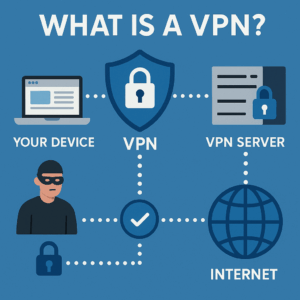
A Virtual Private Network (VPN) creates an encrypted tunnel between a user's device and a network or online resource. This encryption helps prevent hackers, cybercriminals, and unauthorized individuals from intercepting sensitive information while it travels across the internet.
For small businesses, VPNs are commonly used to allow employees to securely access office systems, files, and applications from remote locations.
Many small business owners assume cybercriminals only target large corporations. In reality, small businesses are often targeted because they typically have fewer security protections in place.
A VPN helps reduce risk by securing communications and protecting sensitive information from unauthorized access.
Remote and hybrid work environments have become the norm across many industries. Employees frequently access company resources from home offices, hotels, airports, coffee shops, and client locations.
A business VPN allows team members to connect securely to company resources regardless of where they are working.
Public Wi-Fi networks are convenient but can be dangerous. Cybercriminals often exploit unsecured wireless networks to intercept data transmissions.
When employees use a VPN, their internet traffic is encrypted, making it significantly more difficult for attackers to access sensitive information.
Businesses that maintain on-premise servers, network storage devices, or internal applications often rely on VPNs to provide secure access for remote workers.
Instead of exposing these systems directly to the internet, employees can connect through a VPN and access resources securely.
Industries that process payment information, healthcare data, or customer records often face regulatory requirements regarding data security.
While a VPN alone does not guarantee compliance, it can support broader security initiatives and help businesses meet certain cybersecurity standards.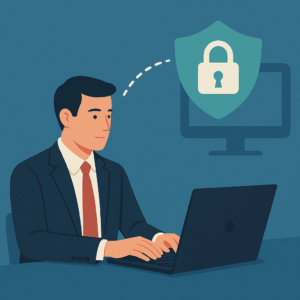
Not every company benefits equally from a traditional VPN solution.
Businesses that operate entirely in the cloud may find that modern security solutions provide greater flexibility and stronger protection.
For example, if your company primarily uses Microsoft 365, Google Workspace, QuickBooks Online, Toast POS, and other cloud-based applications, a VPN may not provide significant additional value.
Instead, organizations should focus on:
The cybersecurity landscape has evolved significantly over the past decade. Many organizations are moving away from traditional VPNs in favor of Zero Trust Network Access (ZTNA) solutions.
Popular alternatives include:
These platforms provide secure application access without exposing an entire network, often resulting in improved security and easier management.
The cost of implementing a VPN varies depending on the size of the organization and the chosen solution.
Typical pricing includes:
For most businesses, the cost of a VPN is minimal compared to the potential financial impact of a data breach or cybersecurity incident.
For businesses with remote employees, multiple locations, or internal systems that require secure access, a VPN is often a worthwhile investment. It provides an additional layer of protection and can help safeguard sensitive company information from cyber threats.
However, organizations that operate entirely in the cloud should evaluate whether a modern Zero Trust solution may better fit their security strategy.
The key is not simply implementing a VPN—it is creating a comprehensive cybersecurity plan that includes strong authentication, endpoint protection, employee training, and ongoing monitoring.
Cybersecurity is no longer optional for small businesses. Whether you choose a traditional VPN or a modern Zero Trust solution, protecting your data, employees, and customers should be a top priority.
The right solution depends on your business goals, technology environment, and security requirements. By investing in the proper security tools today, you can reduce risk and position your company for long-term success.
Need help securing your business network? Call Phoenix Geeks today at 833-PHX-GEEK or fill out the form on this page now to schedule a cybersecurity consultation.