
In today’s increasingly digital business environment, small businesses are no longer flying under the radar of cybercriminals. In fact, they are often prime targets due to limited IT resources and weaker security infrastructures. As a result, many business owners are asking an important question: Are VPNs worth it for small businesses? The short answer is yes—but understanding why requires a closer look at how VPNs work and the value they provide.
A Virtual Private Network (VPN) is a tool that creates a secure, encrypted connection between a user’s device and the internet. This “tunnel” ensures that any data transmitted—whether it’s customer information, financial records, or internal communications—remains protected from unauthorized access. For small businesses handling sensitive data, this level of protection is critical.
One of the biggest advantages of a VPN is its ability to support remote and hybrid work environments. Employees can securely access company systems from home, on the road, or even from public Wi-Fi networks without exposing the business to unnecessary risk. This flexibility has become essential, especially as more businesses adopt cloud-based tools and decentralized operations.
Beyond remote access, VPNs also play a vital role in protecting businesses from modern cybersecurity threats. Phishing attacks, ransomware, and data breaches are becoming more sophisticated and more frequent. A VPN adds an extra layer of defense by encrypting data and masking IP addresses, making it significantly harder for attackers to infiltrate systems.
When it comes to cost, VPNs are relatively inexpensive compared to the potential financial damage of a cyberattack. Most business-grade VPN solutions operate on a subscription model with low per-user fees. Considering that a single data breach can cost thousands—or even millions—of dollars, the return on investment is clear.
However, it’s important to recognize that VPNs are not a complete cybersecurity solution on their own. They work best when combined with other tools such as firewalls, antivirus software, and multi-factor authentication. Think of a VPN as one essential piece of a broader security strategy rather than a standalone fix.
Performance is another consideration. Because VPNs encrypt data, they can sometimes slow down internet speeds slightly. That said, modern VPN solutions are highly optimized, and when properly configured, the impact on performance is minimal. This is where working with experienced IT professionals can make a significant difference.
At Phoenix Geeks, VPN implementation is handled as part of a comprehensive managed IT service. Rather than relying on generic, off-the-shelf solutions, businesses benefit from customized configurations that align with their specific needs. This ensures not only security but also reliability and scalability. You can explore more about their services at https://phoenixgeeks.us.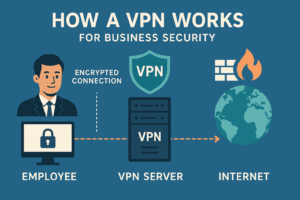
For businesses in the restaurant and hospitality industry, VPNs can complement platforms like Toast POS (https://toasttab.com). Toast already provides a secure, cloud-based infrastructure for transactions and operations, but adding a VPN can further enhance security—especially for back-office access and remote management. Insights from https://central.toasttab.com also emphasize the importance of layered security, reinforcing the role VPNs can play.
In real-world scenarios, restaurants and retail businesses often rely on multiple connected devices, from point-of-sale systems to inventory and scheduling tools. A VPN ensures that all these systems communicate securely, reducing the risk of data interception or unauthorized access.
Choosing the right VPN depends on several factors, including ease of use, scalability, and compatibility with existing systems. Many small business owners make the mistake of opting for free VPN services, which often lack the security and reliability required for business use. Investing in a professional-grade solution is always the better choice.
Another common mistake is failing to properly train employees. Even the best VPN won’t be effective if users don’t understand how to use it correctly. Ongoing maintenance and updates are also essential to ensure continued protection.
So, are VPNs worth it for small businesses? Absolutely. They provide an affordable, effective way to enhance security, support modern work environments, and protect valuable data. While they are not a cure-all, they are a foundational component of any smart cybersecurity strategy.
If you’re ready to secure your business and protect your operations, Call Phoenix Geeks Today at 833-PHX-Geek now.