

Introduction
As internet service fees continue to rise across the U.S., many consumers are feeling the financial strain. This trend has prompted a growing number of households to reconsider their internet options, seeking out more affordable alternatives. The increasing cost of traditional broadband services is pushing consumers to explore alternatives that can provide the same quality at a reduced price. 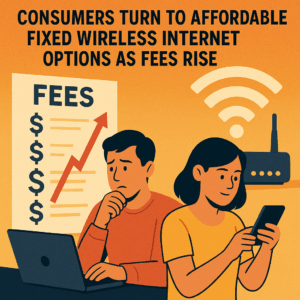
Recent studies indicate that a significant proportion of American households now allocate a larger percentage of their budgets to internet services than ever before. This increased expenditure can lead to tough decisions about spending in other essential areas, such as groceries and transportation. As a result, the search for budget-friendly internet solutions has become more urgent for many families.
Moreover, the implications of rising fees extend beyond individual households. Communities that rely on affordable internet access for education, work, and health services are particularly affected. This situation creates a pressing need for both consumers and service providers to adapt and innovate in response to these economic challenges.
The demand for more affordable internet solutions has led to a surge in interest in fixed wireless internet options, particularly 5G home internet. These services are proving popular among consumers who are looking to escape the escalating costs of traditional wired broadband. Fixed wireless internet provides a viable alternative, offering comparable speeds and reliability without the hefty price tag.
Consumers are drawn to the simplicity and flexibility of fixed wireless setups, which often require minimal installation and equipment. This convenience is particularly appealing in urban areas where the competition among service providers is fierce. As more consumers make the switch, many are discovering that fixed wireless internet meets their needs effectively while allowing them to save money.
However, it’s essential to note that while fixed wireless internet can offer cost savings, it may not be available in all areas. As providers expand their services, consumers are encouraged to research coverage options and assess whether these alternatives are suitable for their specific locations.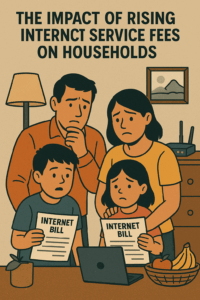
Major carriers such as T-Mobile, Verizon, and AT&T are at the forefront of promoting fixed wireless internet options. These companies are responding to shifting consumer preferences by investing in 5G technology, which promises faster speeds and broader coverage. As these carriers enhance their infrastructure, they are positioning themselves as key players in the evolving landscape of internet service.
The competitive landscape among these major carriers is intensifying as they strive to attract consumers looking for cost-effective solutions. T-Mobile, for example, has heavily marketed its fixed wireless internet services as a reliable alternative to traditional internet providers. This emphasis on affordability is resonating with consumers who are increasingly price-sensitive.
As carriers innovate and expand their 5G offerings, they must also ensure that the quality of service meets consumer expectations. Balancing affordability with performance is critical for retaining customers and sustaining growth in this competitive market.
The ongoing shift to cheaper internet options marks a significant change in consumer behavior. As households continue to explore alternatives like fixed wireless internet, the traditional broadband model may face increased pressure to adapt. This trend signals a potential transformation in how internet services are delivered and priced in the future.
Consumer feedback plays a critical role in shaping the direction of the internet service industry. Providers that fail to meet the demands for affordability and flexibility may find themselves losing customers to more competitive offerings. This dynamic emphasizes the importance of understanding consumer needs and preferences in crafting service packages.
In conclusion, as U.S. consumers navigate rising internet service fees, the appetite for cost-effective alternatives is likely to drive innovation and competition in the market. The evolution of internet services will depend on how well carriers respond to these trends, ensuring that consumers have access to reliable and affordable options.
Conclusion
The landscape of internet services in the U.S. is evolving as consumers increasingly seek cheaper alternatives in response to rising fees. With major carriers stepping up to offer fixed wireless options, the future will likely see a more competitive environment that prioritizes affordability and accessibility.