

Introduction: The Ubiquiti Building Bridge XG is a powerful solution designed for extending network connectivity across challenging environments. This innovative technology enables users to create robust wireless connections between buildings, thereby enhancing operational efficiency and collaboration. In this article, we will evaluate its features, specifications, and performance to understand its applications in modern networking.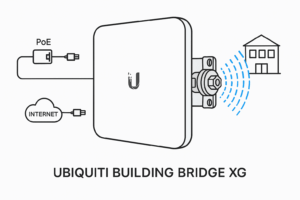
The XG model stands out in the market as a reliable and versatile device tailored for various deployment scenarios. Its design caters to both small and large enterprises, making it a popular choice among businesses seeking to improve their wireless infrastructure. With an emphasis on connectivity and performance, the Ubiquiti Building Bridge XG has carved a niche for itself in the networking landscape.
This article seeks to provide a comprehensive overview of the Ubiquiti Building Bridge XG, examining its capabilities and how it can effectively meet the needs of various users. By understanding its advantages and potential applications, businesses can make informed decisions regarding network enhancements.
The Ubiquiti Building Bridge XG is equipped with a variety of features that enhance its usability and effectiveness in different networking situations. Its dual-band capabilities ensure optimal performance by allowing devices to connect over both 2.4 GHz and 5 GHz frequencies. This flexibility is particularly useful in environments with high interference, enabling stable connections even in crowded settings.
Additionally, the XG model boasts an impressive range and transmission power, making it suitable for long-distance deployments. Its advanced antenna design ensures that signals are effectively transmitted and received, minimizing data loss and maximizing throughput. These specifications position the Ubiquiti Building Bridge XG as a preferred choice for a wide array of networking needs.
Moreover, the Bridge XG comes with user-friendly configuration options and management tools, allowing network administrators to monitor and adjust settings easily. This level of control contributes to its popularity among IT professionals who require reliable performance combined with ease of use.
When evaluating the Ubiquiti Building Bridge XG, performance metrics such as speed and reliability are paramount. Users often prioritize a device that not only meets but exceeds expectations in terms of data transfer rates and connection stability. The XG model has been reported to deliver exceptional speeds, significantly contributing to improved productivity in work environments.
In real-world tests, the Ubiquiti Building Bridge XG has demonstrated consistent performance, even in challenging conditions. Factors such as weather, physical obstructions, and interference have minimal impact on its overall reliability. Feedback from users highlights the device's ability to maintain strong connections over considerable distances, a crucial aspect for businesses operating in expansive areas.
Overall, the performance analysis of the XG model showcases its capability to serve as a dependable solution for both residential and commercial applications. Its speed and reliability make it an attractive option for organizations looking to enhance their networking capabilities.
The flexibility of the Ubiquiti Building Bridge XG allows it to be utilized across various sectors, making it a highly adaptable networking solution. Common use cases include extending network coverage between multiple buildings on a campus, supporting events with temporary internet needs, and connecting remote work locations where traditional cabling may be impractical.
In educational settings, the XG model can facilitate seamless connectivity between classrooms and administrative offices, ensuring that students and staff have access to vital online resources. Additionally, businesses can rely on the Ubiquiti Bridge XG to set up secure connections for remote sites or to enhance communication across distributed teams.
Moreover, the device is increasingly being adopted in smart city initiatives, where reliable connectivity is essential for managing infrastructure, public services, and community applications. Its robust performance and ease of implementation make the Ubiquiti Building Bridge XG a valuable asset in driving technological advancements in various industries. 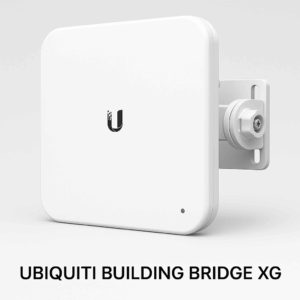
Conclusion: The Ubiquiti Building Bridge XG is a powerful tool that meets the diverse demands of modern networking. With its advanced features, impressive performance, and wide range of applications, it stands out as a leading choice for businesses and organizations looking to enhance their connectivity solutions.