
Introduction
Phishing scams have become increasingly sophisticated, targeting individuals and organizations alike. At its core, phishing is a fraudulent attempt to obtain sensitive information, such as usernames, passwords, and credit card details, by disguising as a trustworthy entity. Understanding the mechanics of phishing is the first step in safeguarding against these deceptive practices. 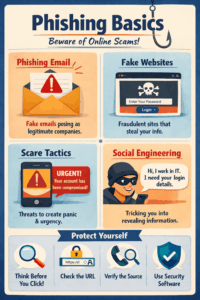
Phishers often use emails, texts, or websites that mimic legitimate sources, making it challenging for users to distinguish between genuine communication and scams. With the rise of social engineering tactics, these scams can prey on emotions such as fear, urgency, or curiosity, compelling individuals to act without due diligence. Recognizing the fundamental principles of phishing can significantly reduce the risk of falling victim to such schemes.
Moreover, educating oneself about the various forms of phishing, including spear phishing (targeted attempts) and vishing (voice phishing), is essential. Knowledge is power; arming yourself with information enables you to make informed decisions online, protecting both personal and professional data.
Phishing tactics vary, but they often employ clever strategies designed to deceive even the most cautious individuals. One prevalent method is email phishing, where attackers send emails that appear to come from reputable sources, such as banks or well-known companies. These emails typically include urgent messages prompting users to click on links that lead to fake websites designed to capture their credentials.
Another common tactic is the use of social media platforms, where scammers create fake accounts or pages that impersonate legitimate individuals or organizations. They engage users with enticing offers or requests for personal information, exploiting the trust that individuals place in established brands. Recognizing these tactics is crucial, as it allows individuals to approach unsolicited communications with skepticism.
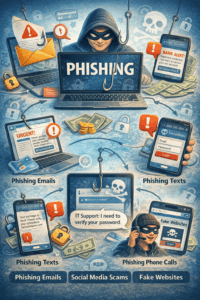 Additionally, malicious software can also be deployed to gather personal information. Downloading files or clicking on links from untrusted sources can lead to malware installations that compromise sensitive data. Being aware of these tactics can empower users to navigate online threats more effectively.
Identifying the signs of phishing attempts is essential for online safety. Common red flags include grammatical errors, unfamiliar sender addresses, and generic greetings. If an email invokes a sense of urgency or panic, such as warnings about account suspension, it's a strong indicator of a potential phishing attempt. Legitimate companies rarely use scare tactics to solicit information.
Furthermore, hovering over links to check their actual destination can reveal discrepancies between the displayed link and the true URL, which may be a sign of a phishing site. If the website address appears suspicious or does not match the organization it claims to represent, refrain from entering any information.
Lastly, unsolicited requests for personal information, especially when they involve sensitive data such as banking details or social security numbers, should raise alarm bells. Educating yourself on these red flags can help you quickly spot a phishing attempt before falling victim to it.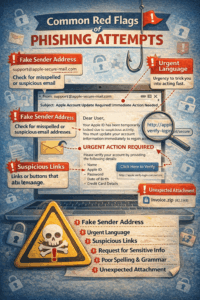
To effectively safeguard against phishing scams, proactive measures are paramount. First and foremost, using multi-factor authentication (MFA) can add an extra layer of security to your online accounts. Even if a phishing attack leads to credential theft, MFA can prevent unauthorized access.
Furthermore, regularly updating passwords and using strong, unique combinations for each account can thwart potential breaches. Employing a password manager can simplify this process, ensuring that you don’t reuse passwords across different sites.
Lastly, keeping software and antivirus programs up to date is crucial in defending against phishing attempts. These tools can detect and block malicious activities, offering an additional line of defense. By implementing these preventative measures, individuals can significantly reduce their vulnerability to phishing attacks.
Conclusion
Understanding, recognizing, and proactively addressing phishing scams is vital in today's digital landscape. By educating yourself about the tactics used by scammers, identifying red flags, and implementing strong security measures, you can protect your personal and professional information from falling into the wrong hands.